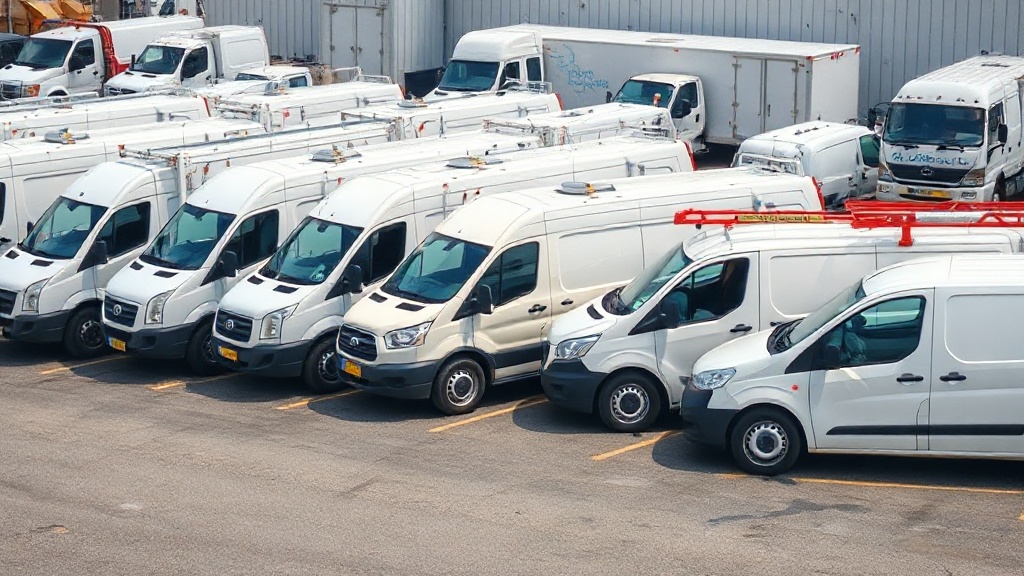
If your trucks are how you make money, your insurance needs to be built for the way you actually work. A pickup hauling tools to a job site, a box truck delivering materials, a utility rig with a bucket and a crew of two, a handful of vans running routes across a metro area — these are business assets, not personal vehicles. Yet many owners discover, often at the worst possible moment, that the policy protecting those assets was never designed for commercial use. This guide walks through the coverages a work-truck or fleet operation genuinely needs and explains why the standard options most people reach for fall short.
Why Personal Auto and Standard Policies Fall Short
The single most common and most expensive mistake is assuming a personal auto policy will respond to a business loss. It usually will not. Personal auto policies contain a business-use exclusion. The moment a vehicle is being used to transport goods, materials, tools, or people for commercial purposes, the insurer can deny the claim. That means a totaled truck, an injured third party, and a damaged customer property could all land directly on the business owner with no coverage behind them.
Standard small-business packages have a similar blind spot. A general business owner's policy may cover your building and contents but specifically excludes owned vehicles. The result is a dangerous gap: owners believe they are covered "for the business," but the trucks — often the most valuable and most exposed assets they own — sit outside the policy entirely.
Commercial vehicle insurance exists precisely to close these gaps. It is rated for the realities of business driving: longer hours behind the wheel, heavier loads, employees as drivers, and a much higher exposure to liability claims.
The Core Coverages a Work-Truck Business Needs
No two operations are identical, but most fleet and service businesses are built on a handful of foundational coverages.
Commercial Auto Liability
This is the backbone of any work-truck program. If one of your drivers causes an accident, commercial auto liability pays for the other party's bodily injury and property damage, plus your legal defense. Because business vehicles tend to carry higher exposure than personal cars, the limits here matter enormously. Many contracts and clients will also require you to carry a minimum liability limit before they let your trucks on site.
Physical Damage: Collision and Comprehensive
Liability protects other people. Physical damage protects your own trucks. Collision covers damage from an accident regardless of fault, and comprehensive covers the non-collision events — theft, vandalism, hail, fire, and animal strikes. For a business that cannot operate without its vehicles, physical damage coverage is what keeps a single bad day from sidelining your revenue.
Hired and Non-Owned Auto
This coverage handles the gap that opens up when an employee drives a vehicle the business does not own — their personal car, or a rented truck — for work purposes. It is one of the most commonly overlooked exposures in the entire industry, and it deserves its own conversation, but every owner should know it exists.
General Liability
Your vehicle coverage handles incidents involving the trucks. General liability handles the rest of your operation: a customer who trips at your shop, property you damage while performing work, or a claim that your finished work caused harm. For service businesses especially, general liability and commercial auto work together to cover the full picture.
Motor Truck Cargo
If you haul goods, materials, or equipment, the cargo itself is an asset at risk. Motor truck cargo coverage protects the property you are transporting against loss or damage in transit. A truck that survives an accident is little comfort if the load it was carrying is destroyed and uncovered.
Tools and Equipment Coverage
Often written as inland marine, this protects the tools and gear that live in your trucks and travel to job sites. A stolen toolbox or a damaged piece of equipment can be just as disruptive as a vehicle in the shop. Standard auto coverage typically does not extend to the contents inside.
Workers Compensation
If you have drivers and crew, workers compensation covers their medical bills and lost wages when they are hurt on the job. In most states it is legally required once you have employees, and it protects both your people and your business from the financial fallout of a workplace injury.
What Actually Drives Your Premium
Understanding how carriers price your policy helps you control cost. Several factors weigh heavily:
- Driver records. Clean motor vehicle records lower your rates; violations and at-fault accidents raise them. Who you put behind the wheel is one of the biggest levers you control.
- Radius of operation. Trucks that stay local are generally cheaper to insure than those running long-haul or wide regional routes, because exposure rises with miles and time on the road.
- Vehicle type and value. Heavier trucks, specialized rigs, and high-value vehicles cost more to repair and replace.
- Loss history. A track record of few or no claims signals lower risk and earns better pricing over time.
- Safety programs and telematics. Documented driver screening and monitoring technology can meaningfully reduce premiums.
Build the Program Around Your Business
The goal is not to buy every coverage available — it is to match protection to your real exposures. A two-truck service operation has different needs than a fifteen-vehicle delivery fleet. The right approach is an honest look at what you drive, what you haul, who drives it, and how far they go, then assembling coverages that close each gap without paying for risk you do not carry.
That is exactly what we do. We specialize in commercial work-truck and fleet programs and can build coverage that fits how your business actually runs. Call us at 844-967-5247 or request a quote today, and let us make sure the assets that drive your revenue are genuinely protected.